
Categories
HOUSING MARKET INFOPublished February 12, 2026
The Current Landscape: A "Hawkish Pause"

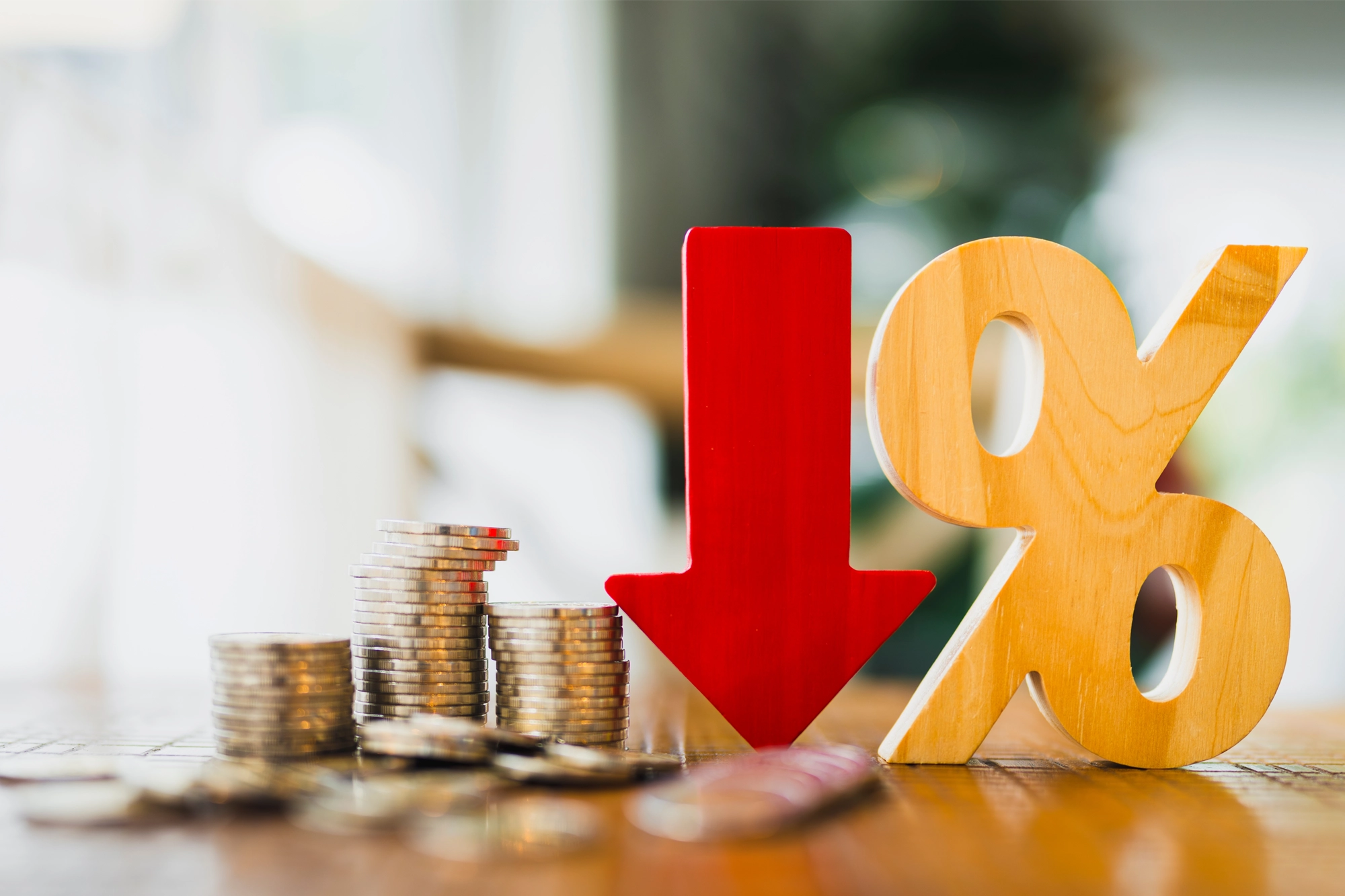
The Truth About Interest Rates in 2026
Interest rates have dominated the headlines for years now, but as we settle into 2026, the truth is finally becoming clear: the era of "free money" is over, but the era of "crushing rates" is starting to fade. Here is a breakdown of what’s actually happening with interest rates this year and what it means for your wallet.
The Current Landscape: A "Hawkish Pause"
As of February 2026, the Federal Reserve has hit the brakes on its rate-cutting streak. After a series of cuts in late 2025, the benchmark federal funds rate is currently sitting in the 3.5% to 3.75% range.
The Fed is playing it safe. While inflation has cooled significantly (hovering around 2.7%), a surprisingly "blockbuster" jobs report in January—adding 130,000 jobs—has made policymakers hesitant to cut further. They want to ensure inflation is truly dead before they let their guard down.
The Realities of 2026
- The "Neutral Rate" Search: Economists believe we are approaching a "neutral" level—a rate that neither stimulates nor restricts the economy. Most experts see this landing between 3.0% and 3.25% by the end of the year.
- The Great Delay: While many hoped for a rate cut in March, market sentiment has shifted toward June for the next potential move.
- A "High-for-Longer" Lite: We aren't seeing 8% anymore, but we aren't going back to 0%. This is the "new normal."
Housing: The 6% Psychological Barrier
For homebuyers, 2026 is bringing a much-needed breath of fresh air. For the first time in years, the 30-year fixed mortgage rate has dipped below the crucial 6% threshold, recently averaging around 5.87% to 5.91%.
Mortgage Rate Comparison
- 30-Year Fixed: ~5.9% (Feb 2026) vs ~6.6% (Feb 2025)
- 15-Year Fixed: ~5.4% (Feb 2026) vs ~6.1% (Feb 2025)
Why This Matters
- Affordability: This drop translates to roughly $300–$400 in monthly savings on a typical $1M mortgage compared to last year.
- The "Lock-In" Effect is Cracking: Many homeowners who were "stuck" in 3% mortgages are finally starting to list their homes as the gap between their current rate and market rates narrows.
- Refinancing is Back: If you bought a home in 2023 or 2024 when rates were peaking near 8%, 2026 is officially your "refi" window.
What to Watch Out For
While the outlook is generally positive, 2026 has a few "wildcards" that could send rates back up:
- Government Action: The government recently directed Fannie Mae and Freddie Mac to purchase $200 billion in mortgage-backed securities, which helped push mortgage rates down. If this support stops, rates could tick back up.
- Fiscal Policy: With potential tax changes and a reaccelerating economy, some analysts fear "sticky" inflation could return in the second half of the year.
- Fed Leadership: A transition in Fed leadership is looming, which could change how the central bank reacts to economic data.
The Bottom Line
The truth about interest rates this year is that stability is the new growth. We are seeing a more balanced market where the negotiating power is finally tilting back toward buyers and consumers. You shouldn't wait for 3% rates—they aren't coming back—but 2026 offers the best borrowing environment we've seen in nearly four years.

Brent Downing
Broker / Team Owner | The Downing Group | Keller Williams
or another way